
Applications
Silicone products are widely used for their temperature resistance, safety and versatility.
Silicone Parts Across Six Industries
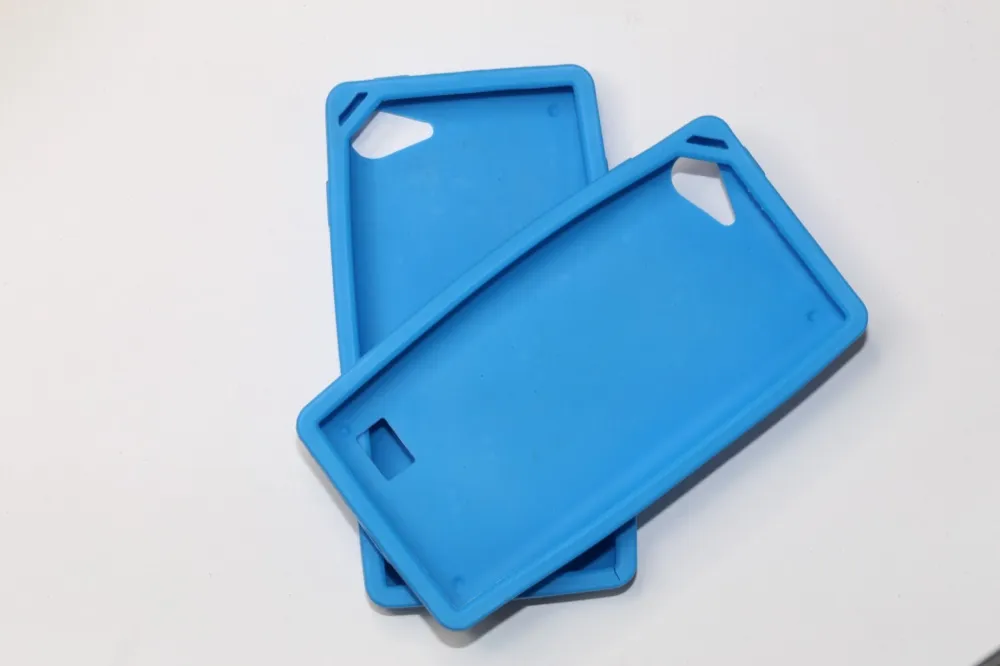
Consumer Electronics
Keypads, phone cases, earphone covers and cable sleeves, durable with great feel.
Kitchen & Bakeware
Food-grade bakeware, utensils and seals; FDA/LFGB test reports available on request.
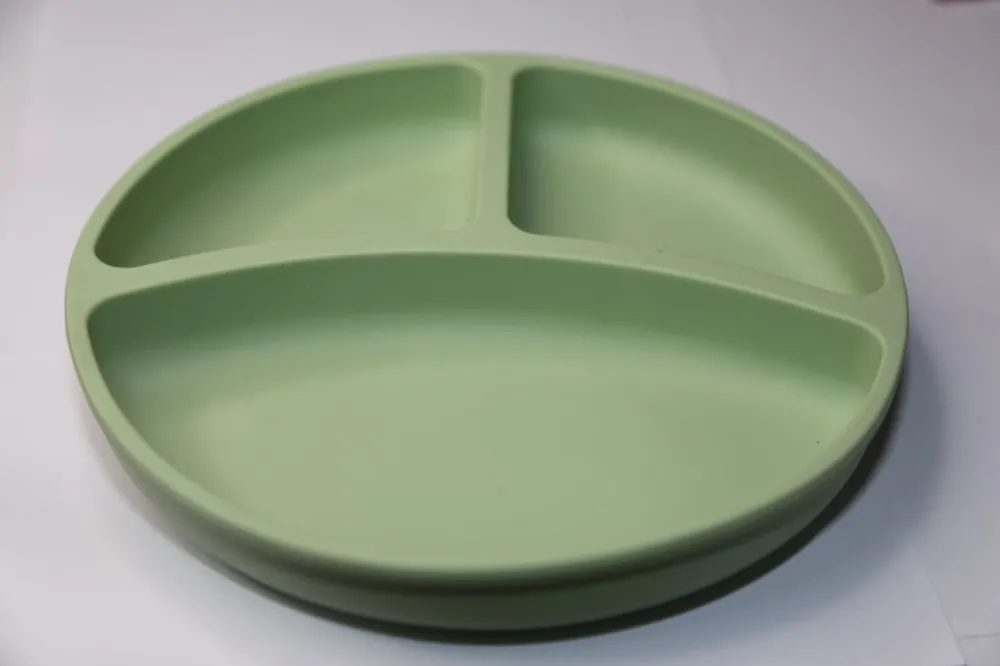
Baby Care
Teethers, nipples and feeding tools, BPA-free and safe.
Medical
Medical tubing, mask parts and seals, biocompatible, test reports on request.
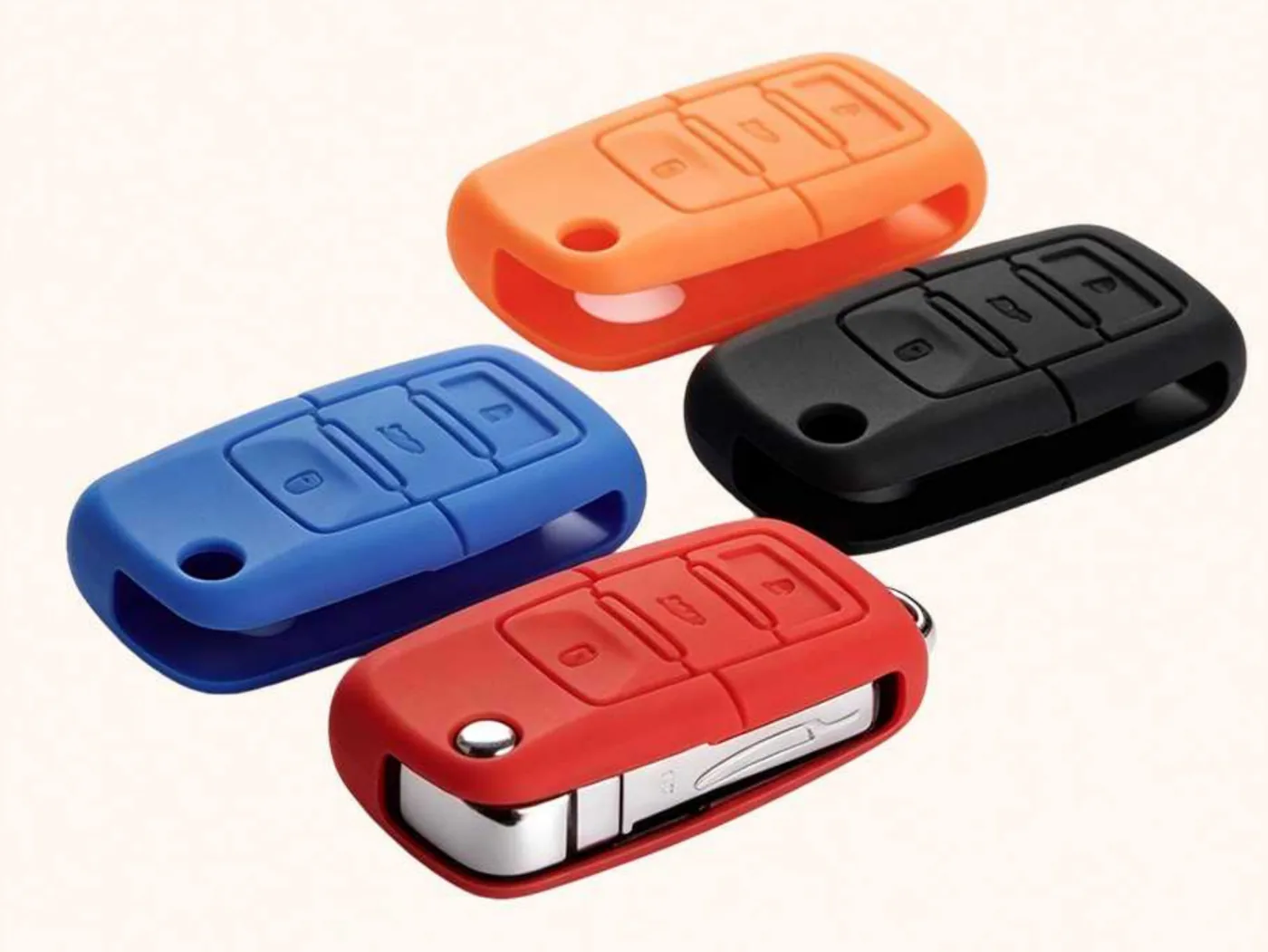
Automotive
Seals, gaskets and dust boots, oil and aging resistant.
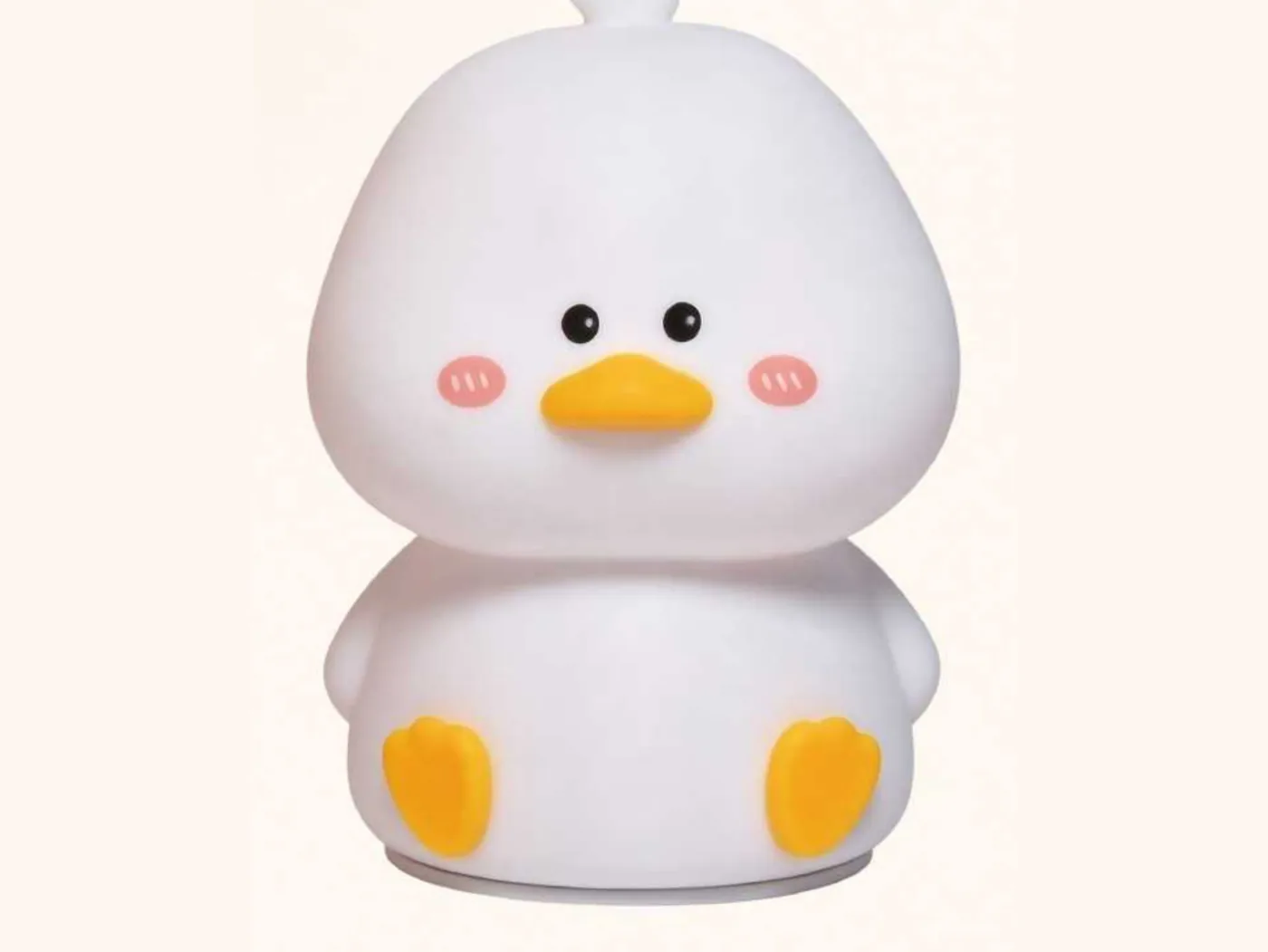
Gifts & Promo
Custom silicone gifts and promo items with logo printing.
Selection points for six industries in one table
A "silicone part" for a baby teether and one sealing an engine bay share nothing in compound, process or testing. What determines the right silicone is never hardness alone — it is temperature, contact media and the regulations you must satisfy.
| Industry | Typical parts | Key requirements | Recommended material & process | Common regulations |
|---|---|---|---|---|
| Consumer electronics | Remote keypads, phone cases, earphone covers, cable sleeves, keypad panels | Consistent feel, cycle life, flash-free cosmetics | Carbon pill or metal dome with compression molding; conductive ink for ultra-thin circuits | RoHS, REACH |
| Kitchen & bakeware | Baking mats, spatulas, scrapers, lid gaskets, folding steamers | Sustained 200°C+, no leaching, easy cleaning | Food-grade compound with compression or injection; injection preferred for transparent parts | GB 4806.16, FDA, LFGB |
| Baby care | Teethers, feeding bowls and spoons, divided plates, bibs, sippy-cup parts | Soft, BPA-free, repeated steam or boiling sterilization, no sharp edges | High-clarity food-grade silicone with rounded corners; injection recommended for cosmetics | GB 4806.16 (infant-specific limits), FDA, LFGB |
| Medical devices | Tubing, mask cushions, connectors, seals, instrument handle overmolds | Biocompatibility, sterilizable, batch traceability | Medical-grade compound; packaging to customer specification | Biocompatibility testing (cytotoxicity, sensitization, intracutaneous reactivity) |
| Automotive & industrial | Seals, vibration dampers, dust boots, O-rings, luminaire waterproof rings | Oil resistance, weathering, low compression set, wide temperature range | Fluorosilicone or NBR for oily service; standard molded silicone otherwise | REACH, RoHS; automotive parts to drawing specifications |
| Gifts & promotional | Wristbands, coasters, keychains, giveaways, branded merchandise | Accurate color, crisp logos, price sensitivity | Multi-color molding or dispensing, with pad printing or laser for logos | Depends on sales market (typically REACH, RoHS or Prop 65) |
Selection in three steps: conditions first, material second
- Step 1, conditions: temperature range, contact media (oil, water, food, sweat), outdoor use, expected service life.
- Step 2, regulations: list the mandatory tests for your target market first — never retrofit them after tooling.
- Step 3, material and process: silicone, fluorosilicone, NBR or TPE, compression or injection — all follow from the first two steps.
Where silicone is not the right call
Silicone is not universal. In the three cases below we will tell you outright to change material — better to say so at the start than discover it after production.
- Seals in continuous contact with mineral oil or fuel: standard silicone swells; use NBR or fluorosilicone.
- Structural parts requiring high rigidity and tight tolerances: plastics hold tolerance more easily and cost less.
- Single-use or extremely price-sensitive consumables: silicone costs more than commodity plastics in both material and cycle time.