
Silicone Cable Sleeve
Silicone cable sleeve protecting against bending and wear.
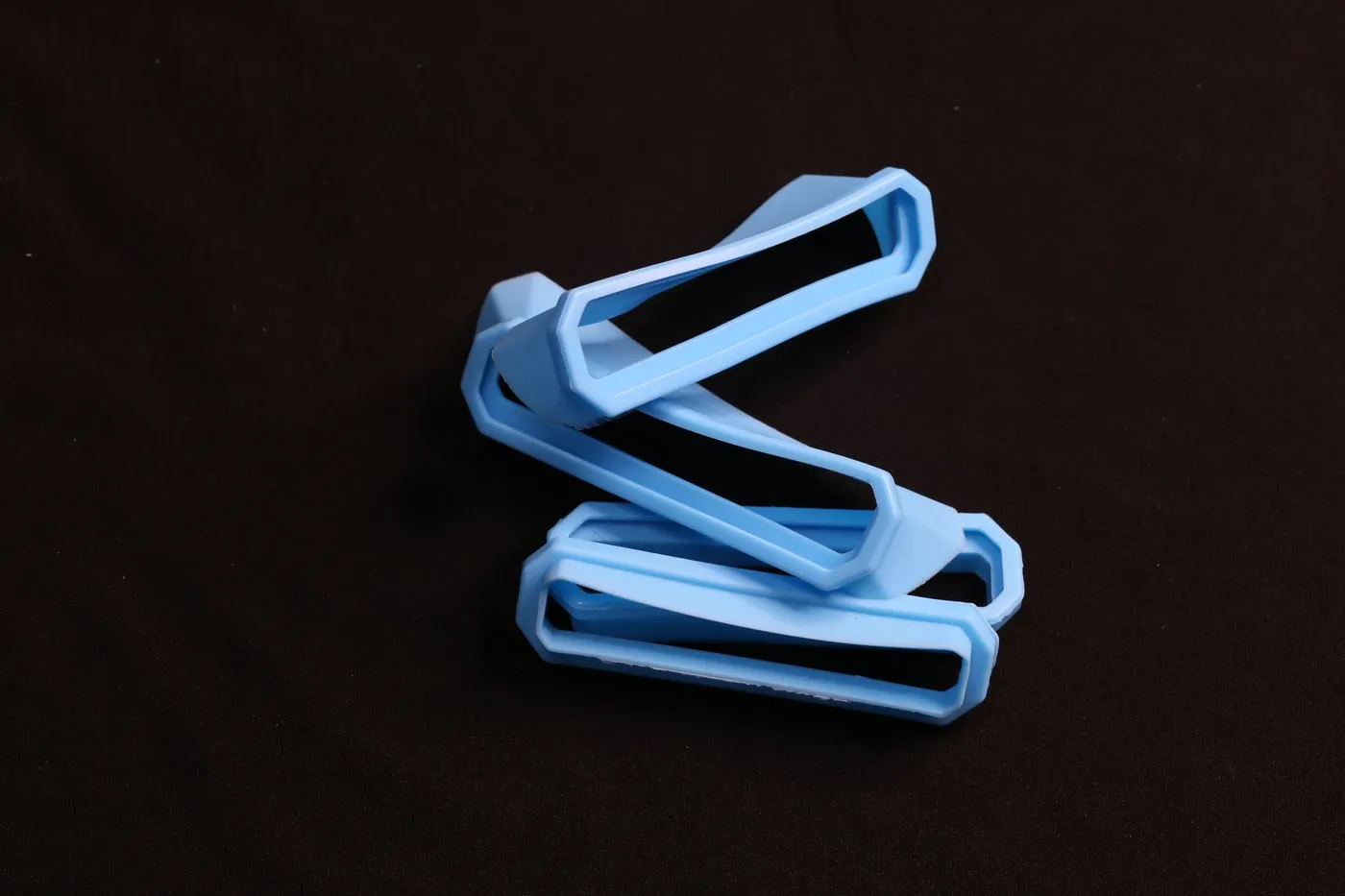
Silicone Cable Sleeve Specifications
| Parameter | Standard | Custom options |
|---|---|---|
| Material | Standard silicone / fumed silicone | Flame-retardant, conductive and thermally conductive compounds |
| Hardness | 40°–70° Shore A | 30°–80° Shore A |
| Operating temperature | -40°C to 230°C | Special high/low-temperature compounds |
| Flame rating | Standard compounds are not inherently flame-retardant | UL94 flame-retardant compounds available; rating confirmed by testing |
| Dimensional tolerance | ±0.1mm | ±0.05mm precision grade |
| Overmolding | Silicone over plastic or metal substrate | Substrate can be customer-supplied or sourced by us |
| Surface finish | Soft-touch coating, laser etching, silk-screen | Spray coating, epoxy doming, two-shot molding |
| Sampling lead time | 5-7 working days (existing mold) | 7–12 days for new tooling |
| MOQ | From 50 pcs | Volume-based pricing |
| Testing support | SGS reports on raw materials (12 regulations covered) | RoHS / REACH testing support available |
Customization Process
Applications
OEM/ODM for consumer electronics, 3C accessories, small appliances, charging devices, automotive electronics, and smart hardware brands. Used for phone protection, cable protection, gamepad grip, device cushioning, and charging positioning — helping brands build differentiated selling points.
Process & Certifications
Optional UL94 V-0 flame-retardant formula, self-extinguishing. RoHS / REACH / halogen test reports available on request for selected models; -40°C to +200°C range. UV-resistant anti-yellowing formula; Pantone colors and high-transparency / frosted / soft-touch finishes. 3D-printed first articles and fast tooling shorten development.
For a cable sleeve, solve assembly before appearance
A cable sleeve has two hard constraints: the bore must be slightly smaller than the cable to grip, but not so small it cannot be fitted. A working rule is 0.2–0.5 mm under cable diameter, paired with 60–70 Shore A so the interference holds by elasticity. If the sleeve has to go over an already-terminated harness, you need a split or segmented design — those are different tools entirely, so confirm before quoting.
| Construction | Best for | Limitation |
|---|---|---|
| Closed sleeve | Bare cable, sleeve first then terminate | Cannot fit over a finished connector |
| Split sleeve | Finished harness, field replacement | The split line shows the cable |
| Segmented | Local reinforcement or marking | Extra tooling, higher unit price |
Flex resistance is the hidden spec here. Where a sleeve sits near a bend point, taper the ends instead of finishing with a square cut — a square edge concentrates stress and the conductor breaks there first under repeated flexing. If flame retardance is required, put the exact standard and test method on the drawing: pass criteria differ a lot between standards, and "must be flame retardant" is not a specification.
Frequently Asked Questions
What flame-retardant rating do silicone electronic parts have?+
Optional UL94 V-0 flame-retardant silicone — self-extinguishing, no toxic fumes. Common in charging stations, EV battery packs, cable sleeves.
How many bending cycles can cable sleeves survive?+
High-toughness silicone sleeves survive 50,000+ 90° bends without cracking — 3-5x longer lifespan than PVC sleeves.
What is your MOQ and sampling lead time?+
From 50 pcs, small-batch trials supported. Free 1-3 samples (customer pays shipping); sampling 5-7 working days; mass production 15-25 days.